AI based In-Motion Rail Intelligence
Automating Safety at Speed: An AI-Powered Anomaly Detection Ecosystem for Indian Railways
Executive Summary
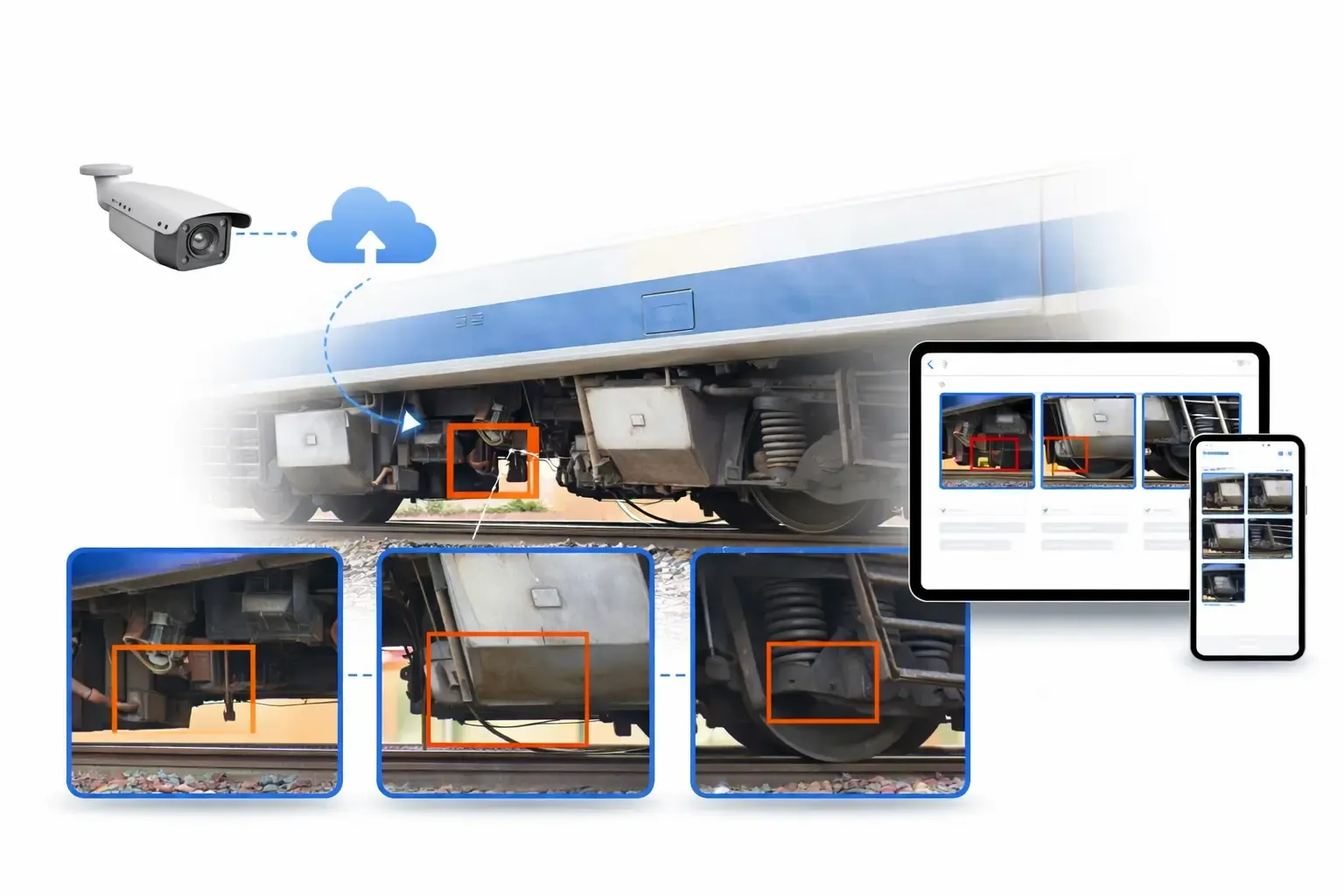
Managing one of the world’s largest rail networks requires more than just manpower; it requires machine intelligence. Indian Railways faced a critical safety challenge: detecting mechanical faults (like dangling hoses or loose couplings) on moving trains before they caused accidents. Manual inspection at stations was slow and prone to human error.
Renderbit Technologies engineered an In-Motion Anomaly Detection System - a computer vision ecosystem that autonomously inspects passing trains in real-time. By retrofitting existing camera infrastructure with AI at the edge, we enabled a “Just-in-Time” maintenance workflow that flags defects instantly, allowing crews to fix them at the very next stop.
The Solution: An “Eye” That Never Blinks
We architected a solution that brings AI to the edge of the network.
- The Edge Intelligence (On-Camera AI)
We repurposed existing CP-Plus IP cameras, turning them into smart sensors.
Auto-Trigger Logic: The system detects an oncoming train and automatically starts recording. It intelligently segments the video “coach-wise,” ensuring that every carriage is analyzed individually.
Edge Optimization: To handle 4G bandwidth limits, images are parsed and processed locally on the camera hardware. Only critical data is transmitted, drastically reducing latency.
- The AI Core (Computer Vision)
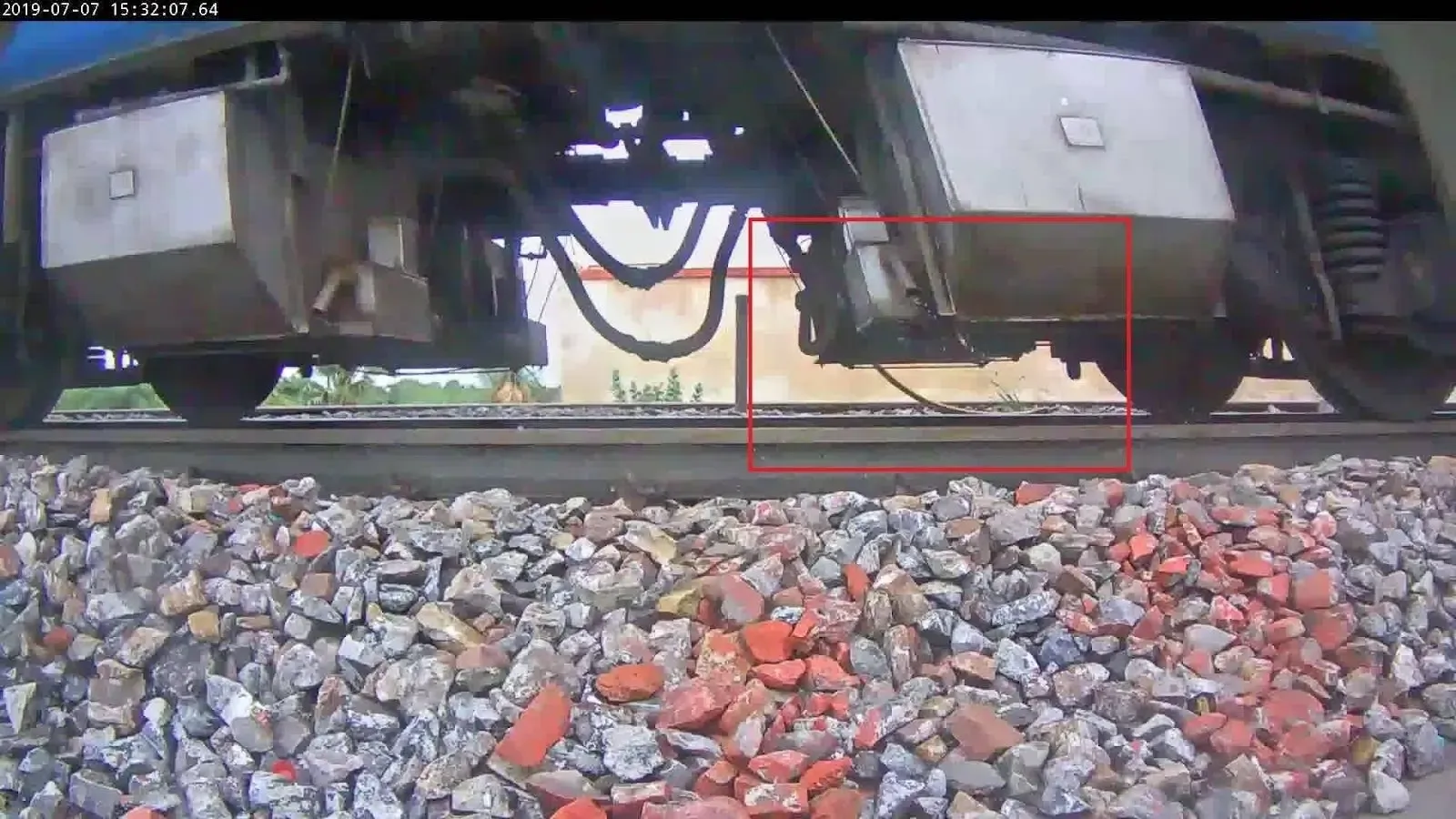
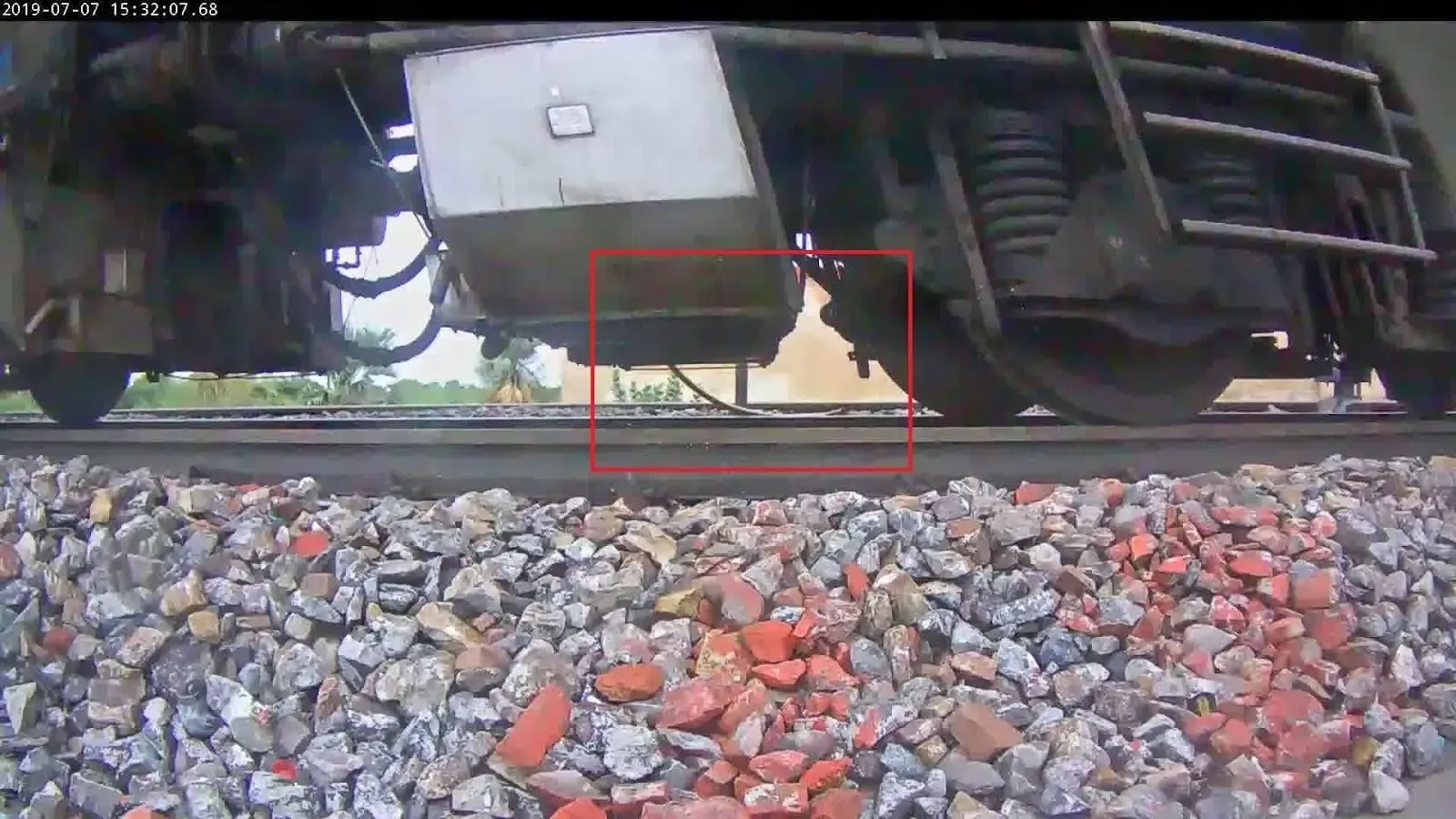
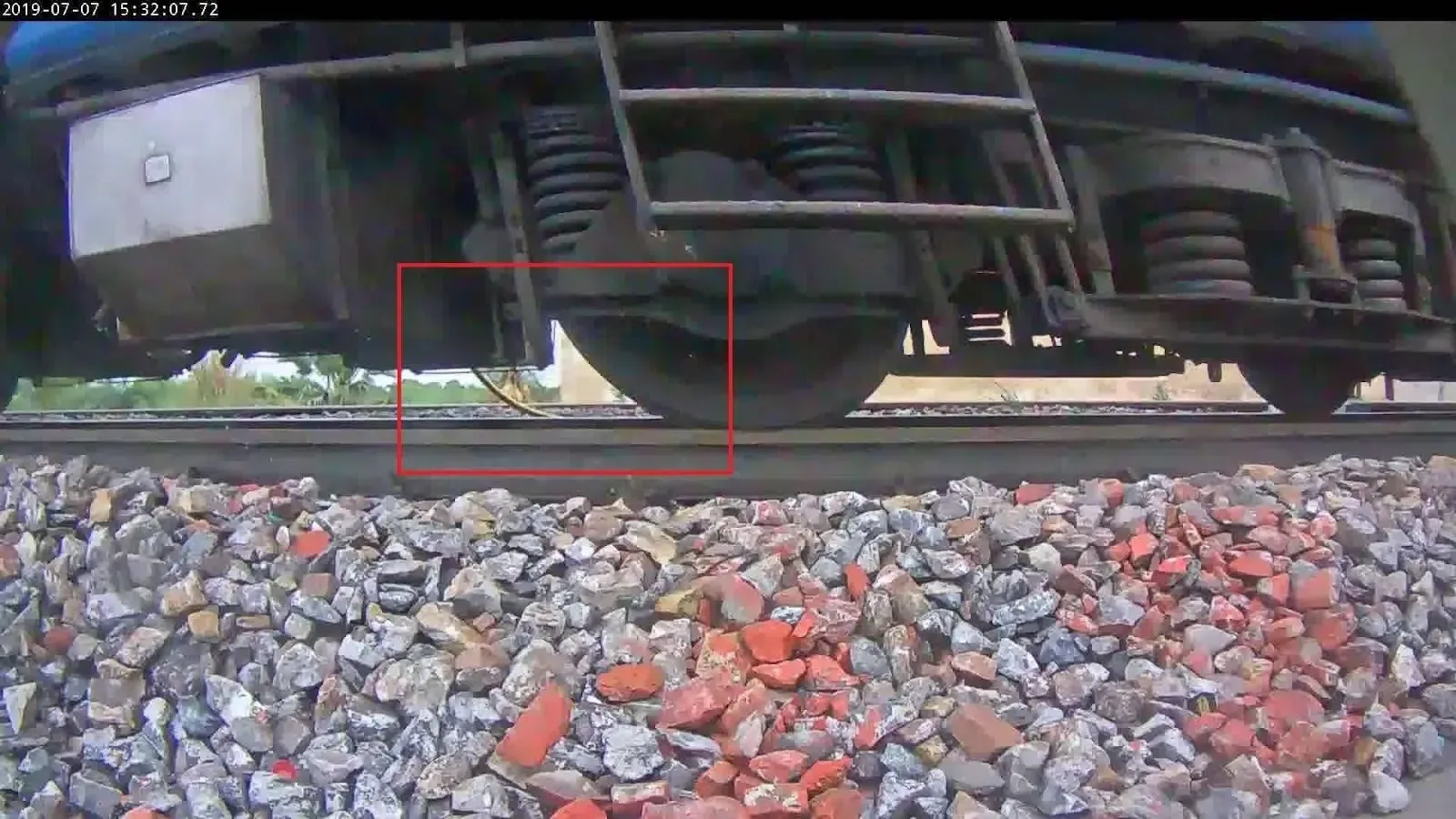
Custom Training: We trained a Deep Learning model using TensorFlow on a custom dataset of “anomalous” images (e.g., dangling pressure pipes, unconnected hoses).
Detection Engine: A Python/OpenCV stack analyzes the feed in real-time. If it spots a deviation from the “Healthy” baseline, it highlights the specific area of the image.
- The Alert & Reporting Grid
Just-in-Time Alerts: Upon detection, the system instantly transmits the coach number, train details, and the evidence image to the central cloud server. This alert is forwarded to the next scheduled station, enabling the maintenance crew to be ready with the right tools when the train arrives.
Decision Dashboard: A Laravel-based admin panel allows decision-makers to view aggregate data - drilling down by zone or region to identify defect hotspots and measure turnaround times.
Technical Architecture & Strategic Rationale
We selected a stack designed for Speed and Scalability.
| Component | Technology | Strategic Rationale |
|---|---|---|
| Edge Hardware | CP-Plus Cameras | Legacy Modernization: Proved that AI can be deployed on existing infrastructure without expensive hardware upgrades. |
| Video Stream | Shinobi + Node.js | Efficient Parsing: Shinobi provides a lightweight, open-source CCTV solution optimized for handling multiple RTSP streams. |
| AI Engine | TensorFlow + OpenCV | Deep Learning: TensorFlow handles the model training (learning what a “bad” hose looks like), while OpenCV handles the real-time frame processing. |
| Backend | Laravel / PHP 7 | Robust API: A stable framework to handle the influx of alerts and serve the reporting dashboard to HQ. |
| Cloud Infra | AWS | Scalability: Ensures the system can expand from a single pilot zone to a national deployment without architecture changes. |
Core Focus
Computer Vision, Edge Computing, Predictive Maintenance
The Strategic Challenge: Safety at 100 km/h
The client needed to modernize maintenance without disrupting operations.
- The "Blink and Miss" Problem: Identifying a loose 2-inch hose on a train moving at high speed is impossible for the human eye.
- Infrastructure Constraints: The solution had to work using existing unmanned crossing cameras, often in remote locations with limited internet connectivity.
- Actionable Latency: Detecting the fault was only half the battle; the alert had to reach the next station before the train did.
The Impact: Proactive Safety
Renderbit’s pilot in the North Central Zone demonstrated the power of AI in public infrastructure:
- Automated Inspection: Removed the need for manual "gazing" at passing trains, freeing up staff for repair work.
- Reduced Downtime: "Just-in-Time" alerts meant repairs were planned while the train was moving, reducing the station halt time required for maintenance.
- Scalable Framework: The system is successfully identifying hose/pipe issues today but is built to learn new anomalies (under-carriage cracks, broken springs) with simple dataset updates.


Ready to automate your inspection workflows?
Renderbit builds the computer vision systems that protect critical assets.
Contact Us to discuss your industrial AI strategy.
Related Posts

See Our Work in Action.
Start Your Creative Journey with Us!

Renderbit Helper
Welcome!
How can I help you today?