Maritime Energy Intelligence
Digitalizing the High Seas: A Satellite-Connected Vessel Energy Monitoring Ecosystem
Executive Summary
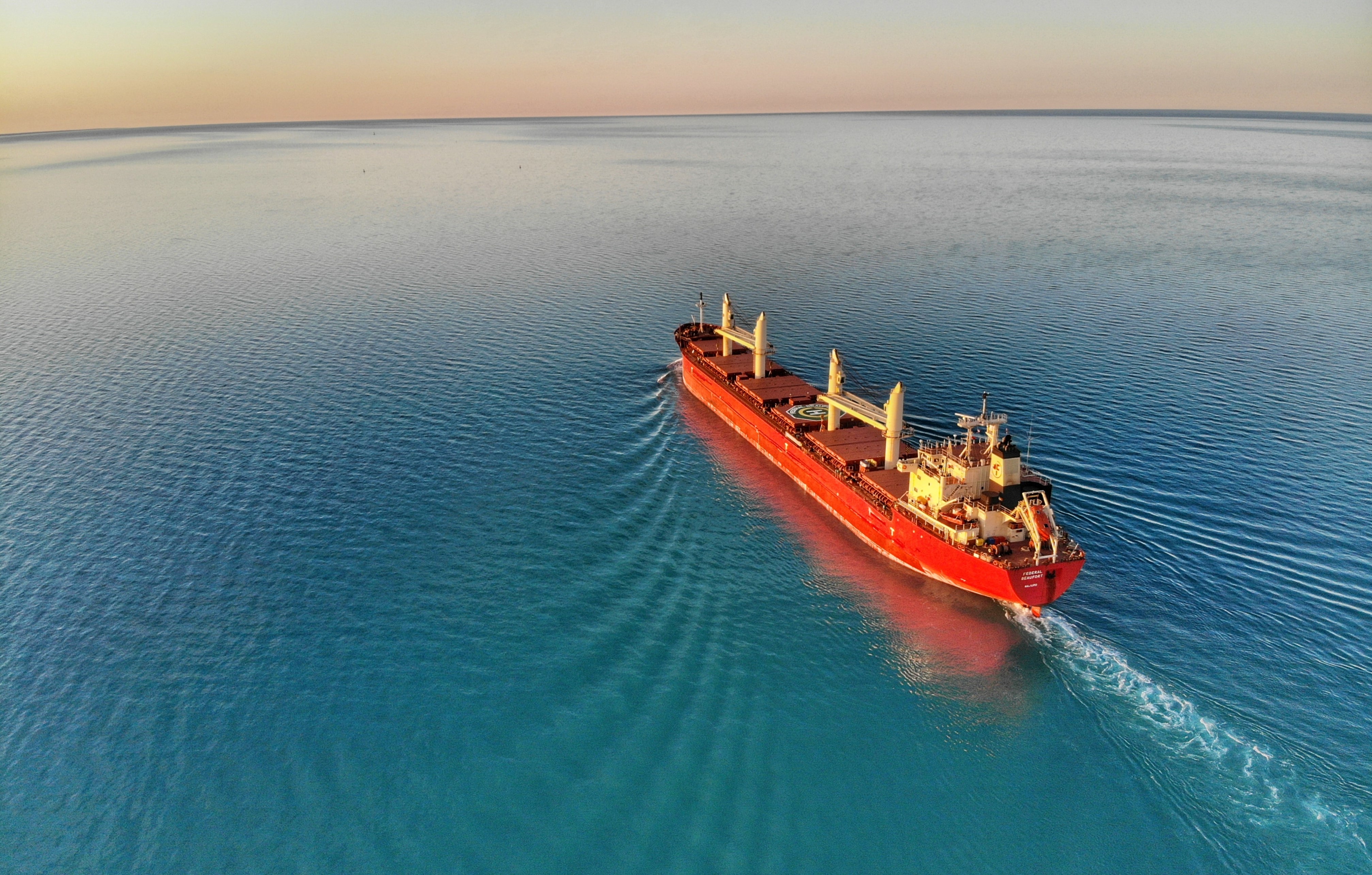
Modern shipping is a data-rich environment, yet most vessels remain “floating black boxes” due to poor connectivity. A leading ship management company partnered with Renderbit to solve a critical blind spot: they had zero visibility into energy consumption once a ship left port.
Renderbit architected a Vessel Energy Monitoring Solution—a hybrid Edge-to-Cloud IoT ecosystem. By integrating directly with onboard machinery (engines, pumps, HVAC) and bridging the connectivity gap via satellite, we delivered a platform that turns raw sensor data into real-time operational intelligence.
The Solution: A Hybrid Edge-Cloud Architecture
We engineered a system that functions seamlessly whether the ship is docked in New York with 5G or crossing the Pacific with zero connectivity.
- The Onboard “Edge” Layer (The Local Brain)We deployed a robust local network on the vessel itself.
- Hardware Integration: Using XGate6 IoT Gateways, we physically tapped into 40+ critical data points (engines, HVAC, pumps) using industrial RS485 protocols.
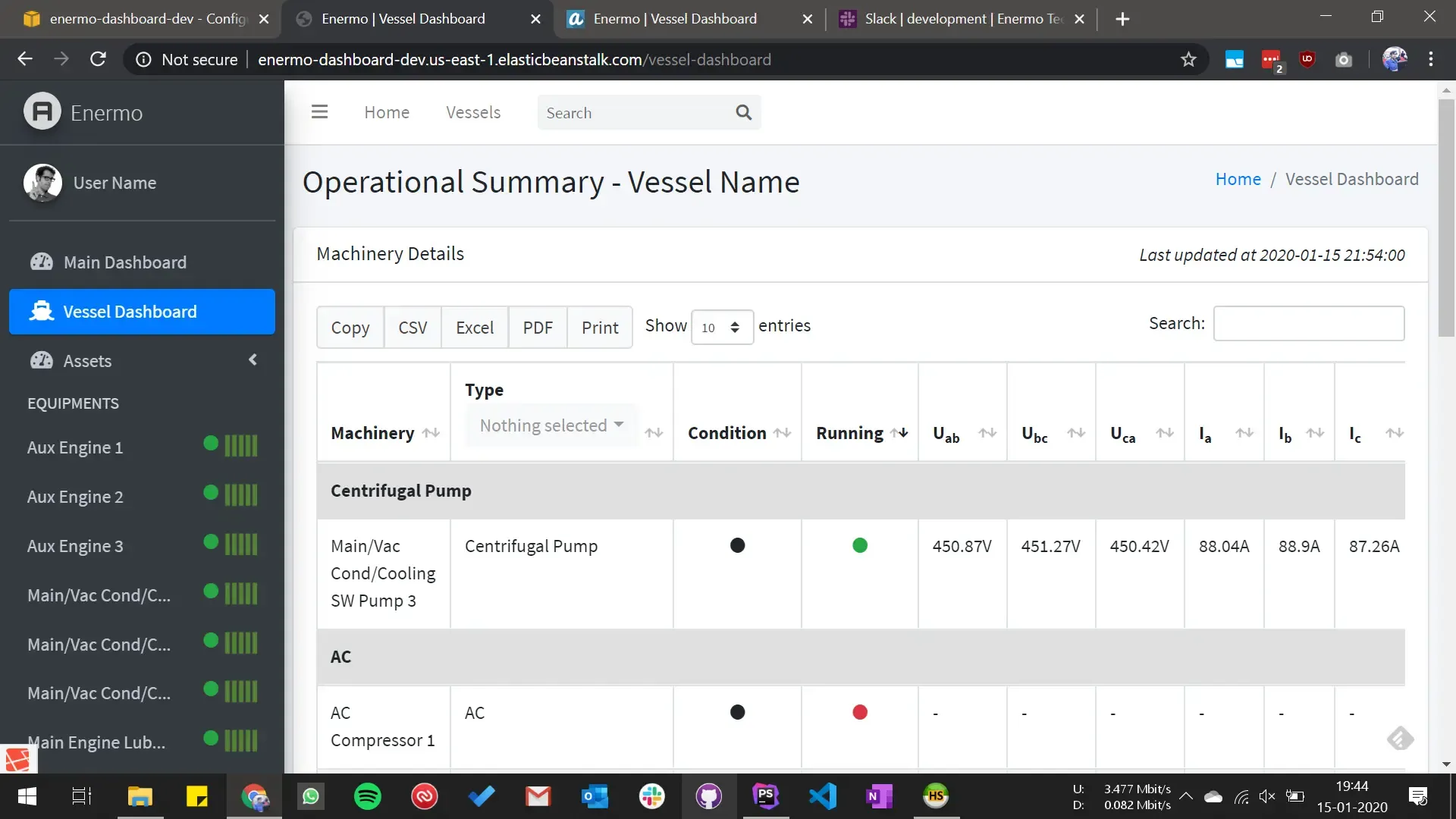
- Local HMI Dashboard: A Windows-based Human-Machine Interface (HMI) gives the crew immediate, real-time visibility into their energy stats without needing internet access.
- Store-and-Forward Logic: When satellite connectivity drops, the Edge Gateway buffers data locally. As soon as a connection is re-established, it automatically syncs the backlog to the cloud, ensuring zero data loss.
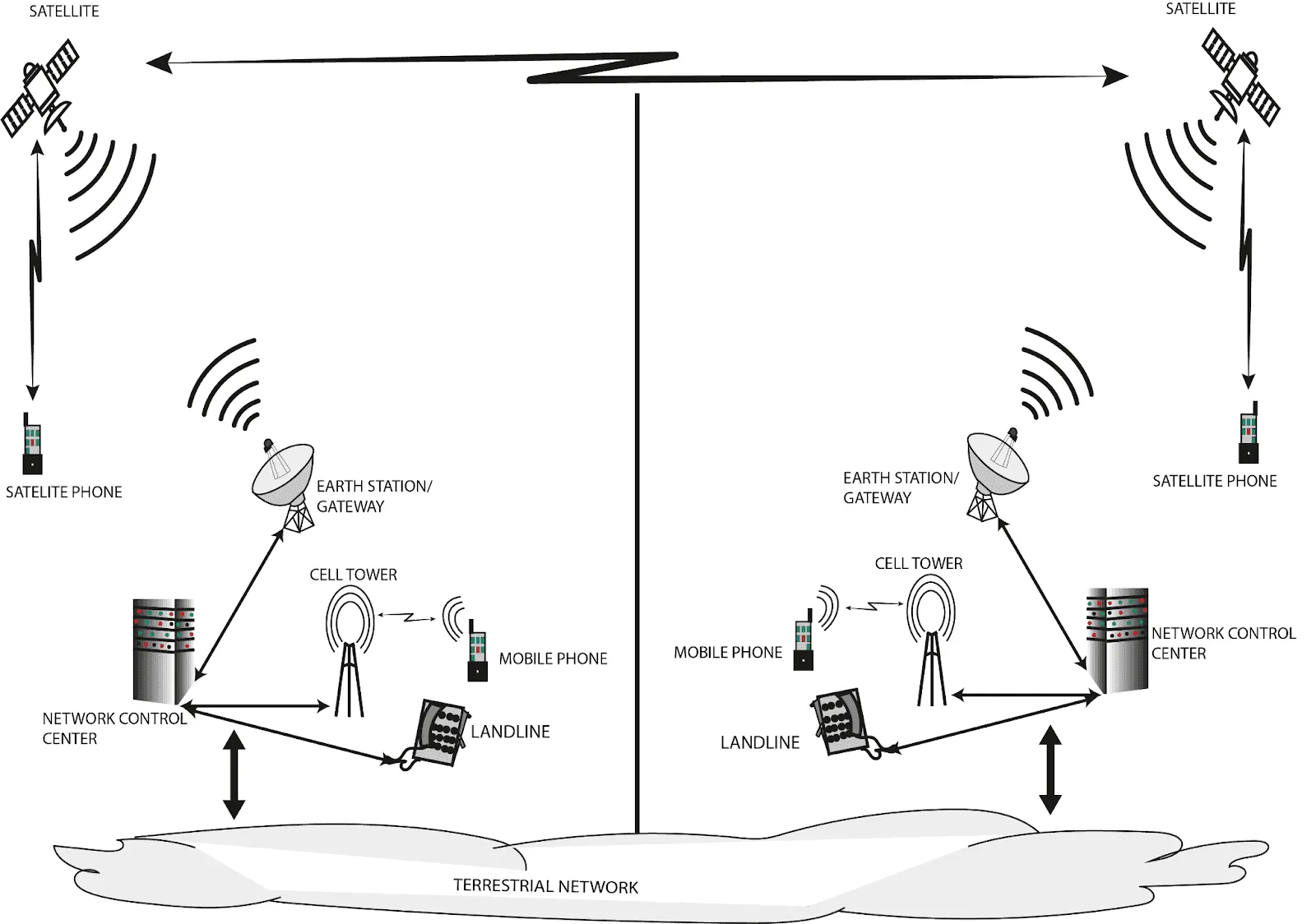
- The Satellite Bridge
- Data Optimization: To minimize satellite data costs, we implemented data compression and batching strategies.
- Security: We configured Static IP routing and firewall whitelisting to create a secure tunnel between the vessel and the AWS cloud, protecting critical ship systems from external threats.
- The Cloud Command Center
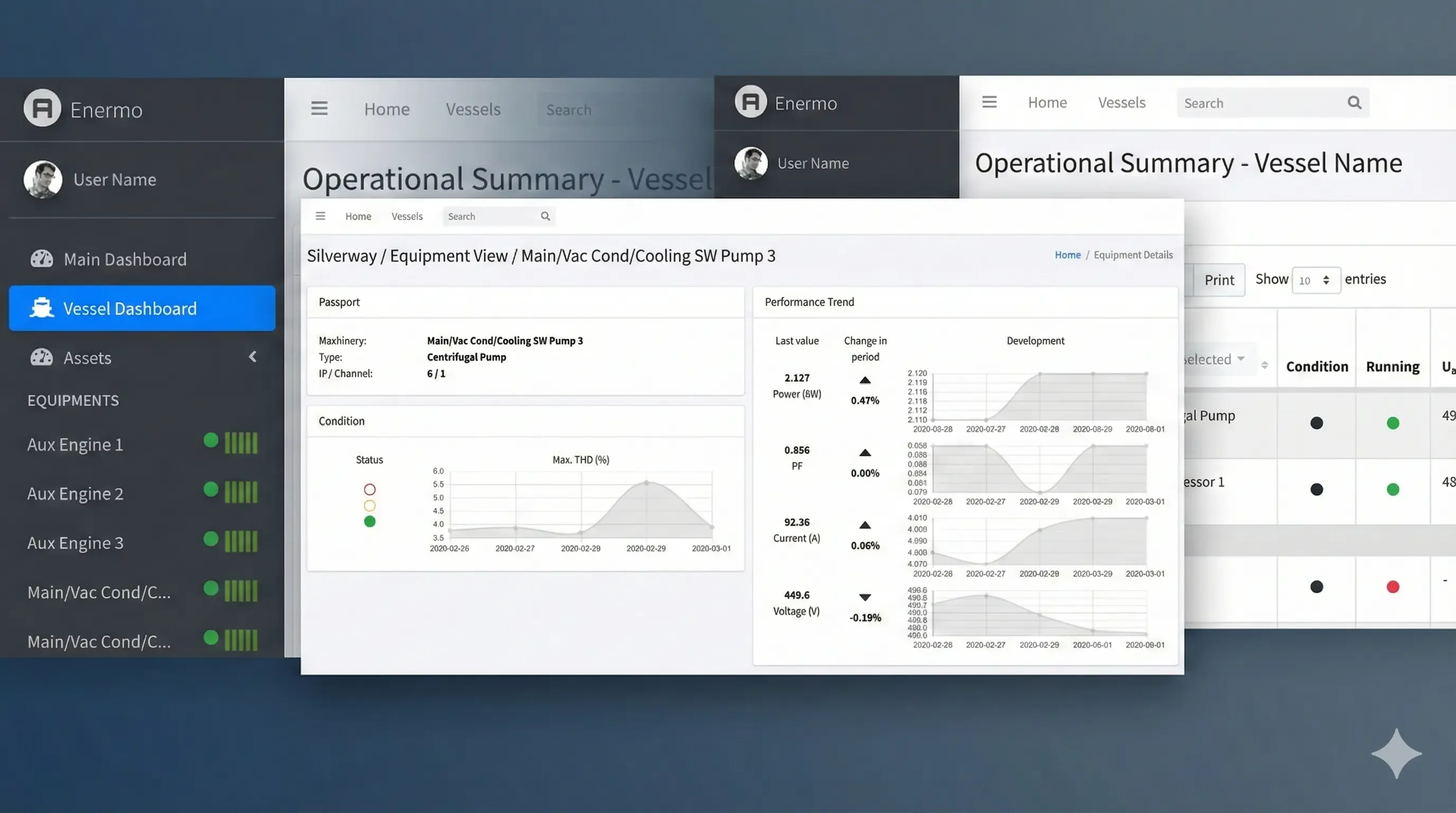
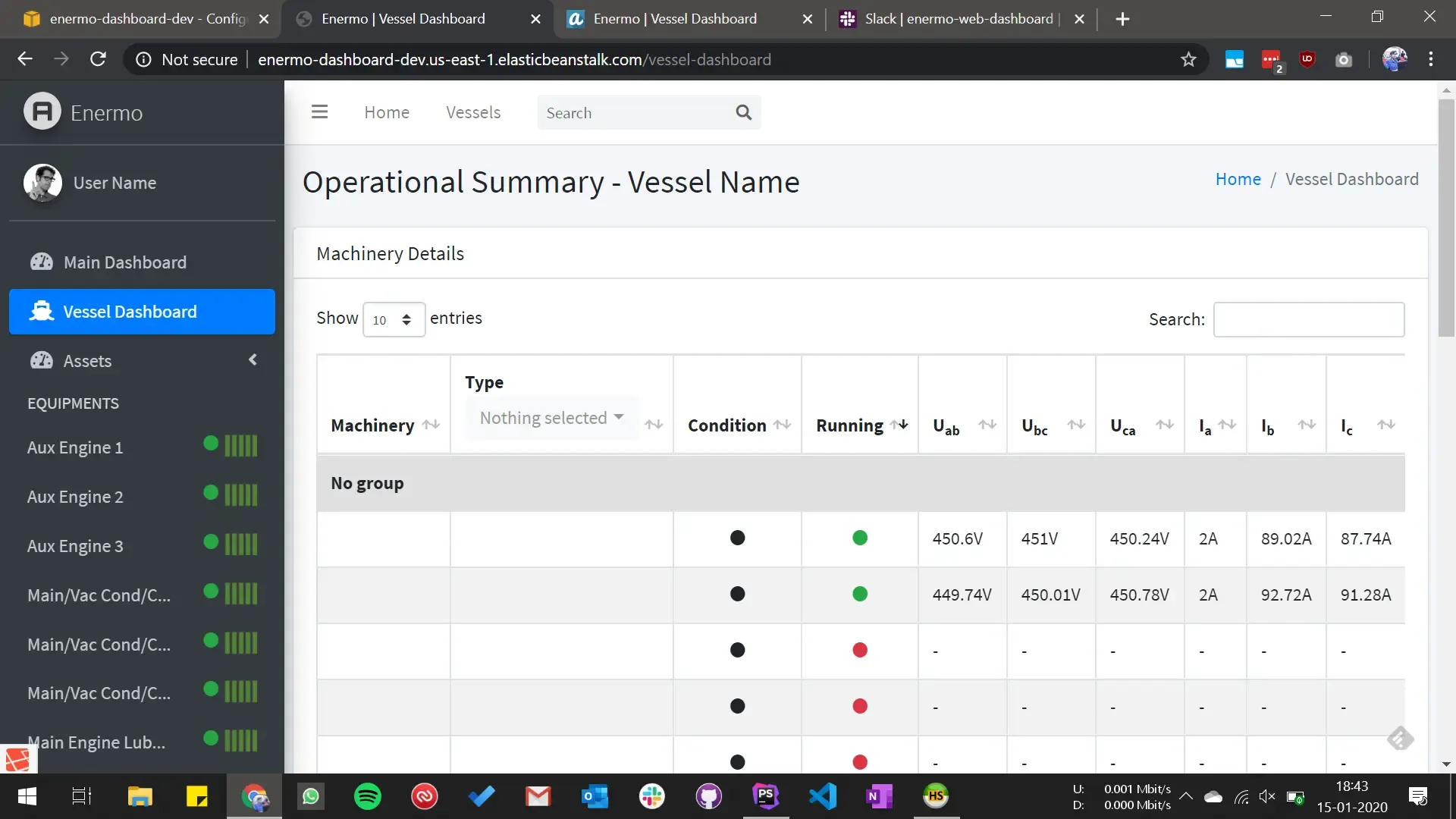
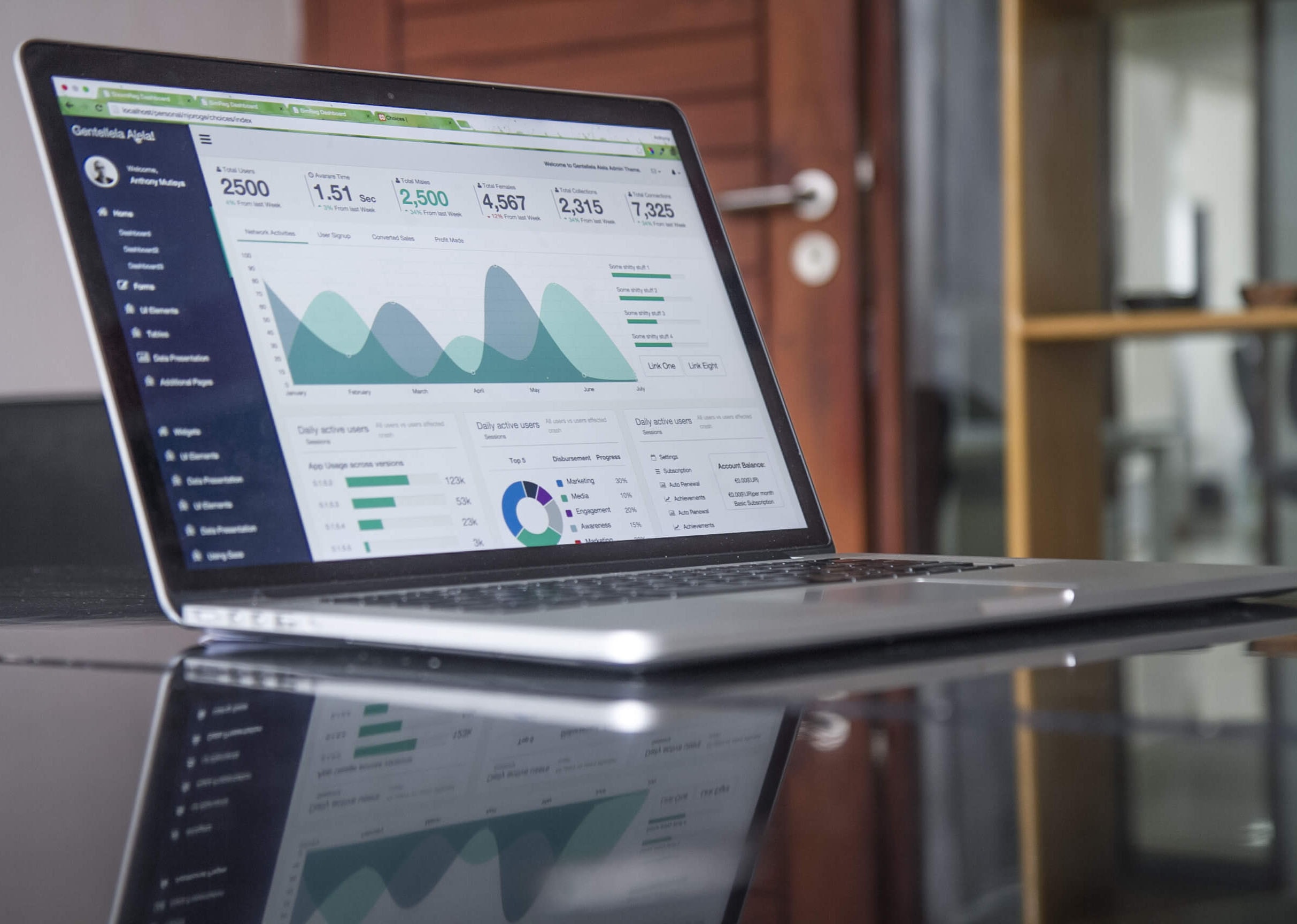
- Fleet-Wide Visibility: We utilized ThingsBoard for visualization, creating a centralized dashboard where HQ can view the status of the entire fleet on a single map.
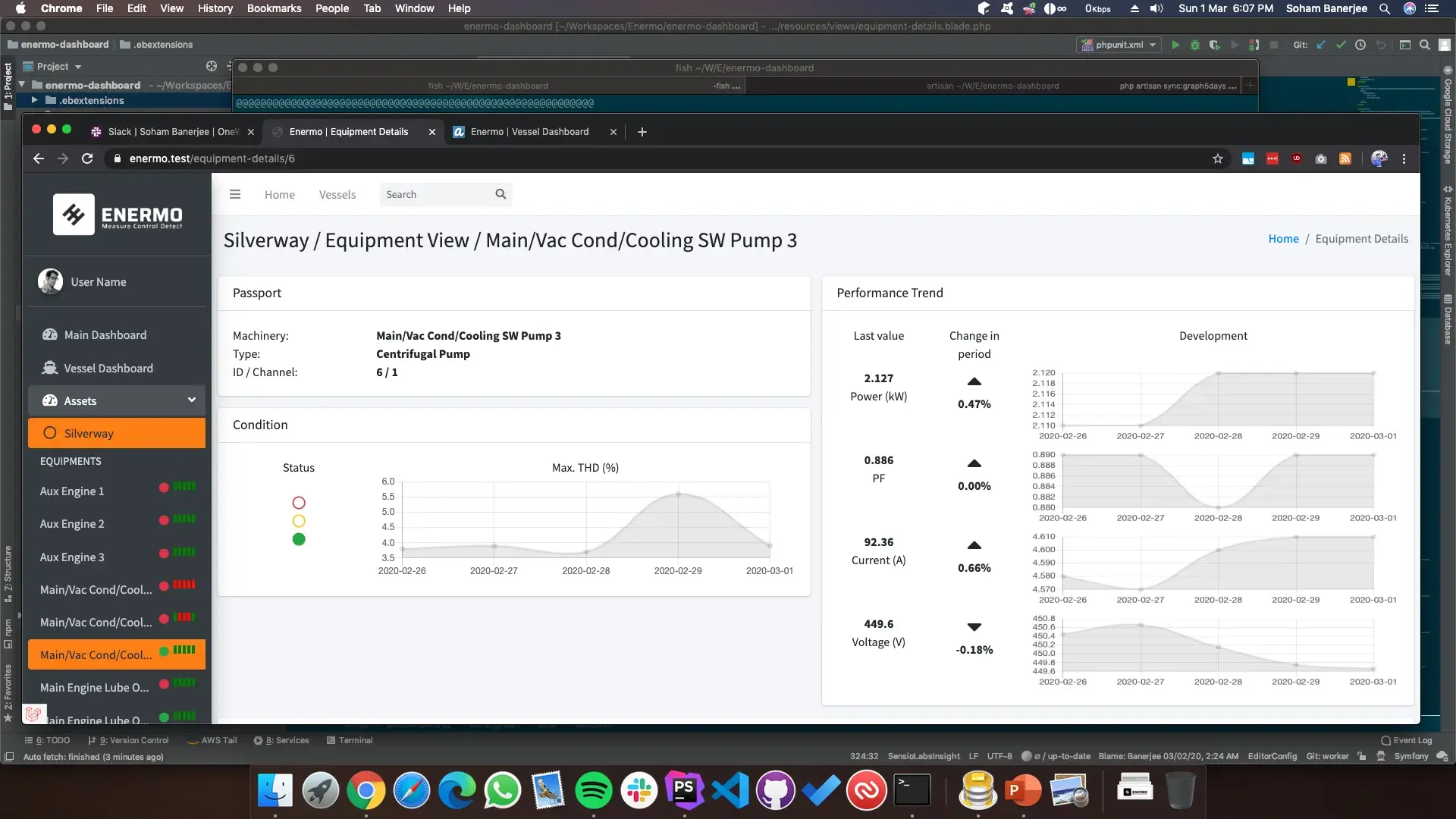
- Time-Series Analytics: The system leverages Redis caching and FusionCharts to render massive datasets instantly, allowing engineers to spot trends (e.g., “Why is Vessel A consuming 15% more fuel than Vessel B?”).
Technical Architecture & Strategic Rationale
We chose a stack prioritized for Resilience and Offline Capability.
| Component | Technology | Strategic Rationale |
|---|---|---|
| Edge Hardware | XGate6 Gateway | Industrial-grade hardware capable of withstanding maritime conditions and handling RS485/Modbus protocols. |
| Visualization | ThingsBoard | An open-source IoT platform chosen for its scalability and ability to handle thousands of device telemetry streams. |
| Cloud Infra | AWS (EC2 + RDS) | VPC Partitioning ensures that data from different vessels remains isolated and secure. |
| Connectivity | Satellite / Static IP | Custom networking configuration to handle high-latency environments without timing out. |
| Frontend | FusionCharts | Selected for its ability to render complex industrial gauges and historical heatmaps without browser lag. |
Core Focus
Industrial IoT, Satellite Connectivity, Edge Computing
The Strategic Challenge: The 'Disconnected Island' Problem
Maritime environments present unique engineering hurdles that standard web apps cannot solve.
- The Connectivity Gap: Ships rely on satellite internet (VSAT/Inmarsat), which is expensive, high-latency, and frequently disconnects. A standard "always-online" cloud architecture would fail.
- Data Silos: Energy data was trapped in disparate onboard hardware (RS485/Modbus legacy protocols), requiring manual logging by the crew, which led to reporting delays and errors.
- Hardware Heterogeneity: The fleet consisted of different vessel types with varying equipment configurations, requiring a hardware-agnostic integration layer.
The Impact: From Guesswork to Precision
Renderbit’s solution transformed the client’s operations from reactive to proactive.
- Energy Efficiency: Real-time alerts on HVAC and pump usage allowed the crew to optimize power consumption instantly, reducing fuel waste.
- Operational Transparency: The "Black Box" is open. HQ now sees exactly what the crew sees, enabling better remote support and maintenance planning.
- Data Integrity: Automated logging eliminated human error, providing an accurate historical baseline for future performance upgrades.


Ready to digitalize your industrial operations?
Whether it’s on a factory floor or the open ocean, Renderbit builds IoT ecosystems that work where you work.
Contact Us to discuss your connectivity strategy.
Related Posts


See Our Work in Action.
Start Your Creative Journey with Us!

Renderbit Helper
Welcome!
How can I help you today?