FoodFlow (Tastes of India): Cloud Kitchen
The "Cloud Kitchen" Operating System: Automating Revenue Splits for a Multi-Brand Ecosystem
Executive Summary
The “Cloud Kitchen” model allows multiple brands to operate from a single physical infrastructure, optimizing capital expenditure. However, for Tastes of India, managing the finances for on-boarded brands like Desi Bhojyaan and Kyra Kitchen was an operational bottleneck .
Renderbit Technologies architected FoodFlow - a custom ERP and POS integration layer designed to handle the complex “many-to-one” financial logic. By automating per-transaction revenue splits and integrating directly with banking APIs, we turned a manual accounting nightmare into a seamless, automated revenue engine.
The Solution: A Financial Operating System
We engineered a backend solution that serves as the “Financial Brain” of the kitchen.
- The “Smart Split” ERP Engine
We built a custom Back-end ERP focused on Automated Reconciliation.
Per-Transaction Logic: The system analyzes every incoming order line-by-line. If an order has a ₹200 item from Brand A and a ₹300 item from Brand B, the system automatically routes the revenue to the respective ledger.
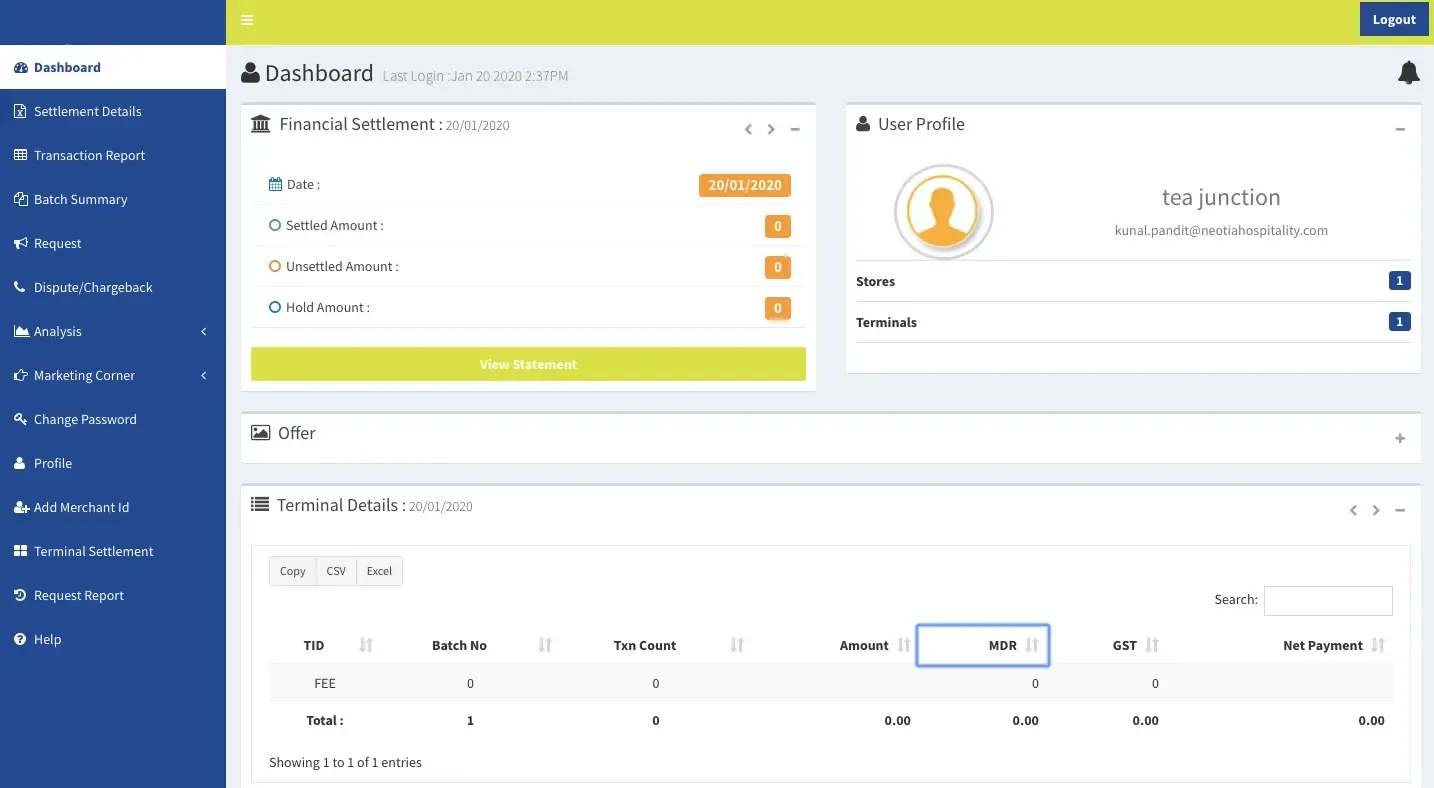
Automated Payouts: By integrating with Corporate Net Banking APIs, the ERP automates vendor settlements. It calculates the final payout (Revenue - Commission - MDR - Tax) and initiates the transfer without human intervention.
- Unified Point of Sale (POS) Integration
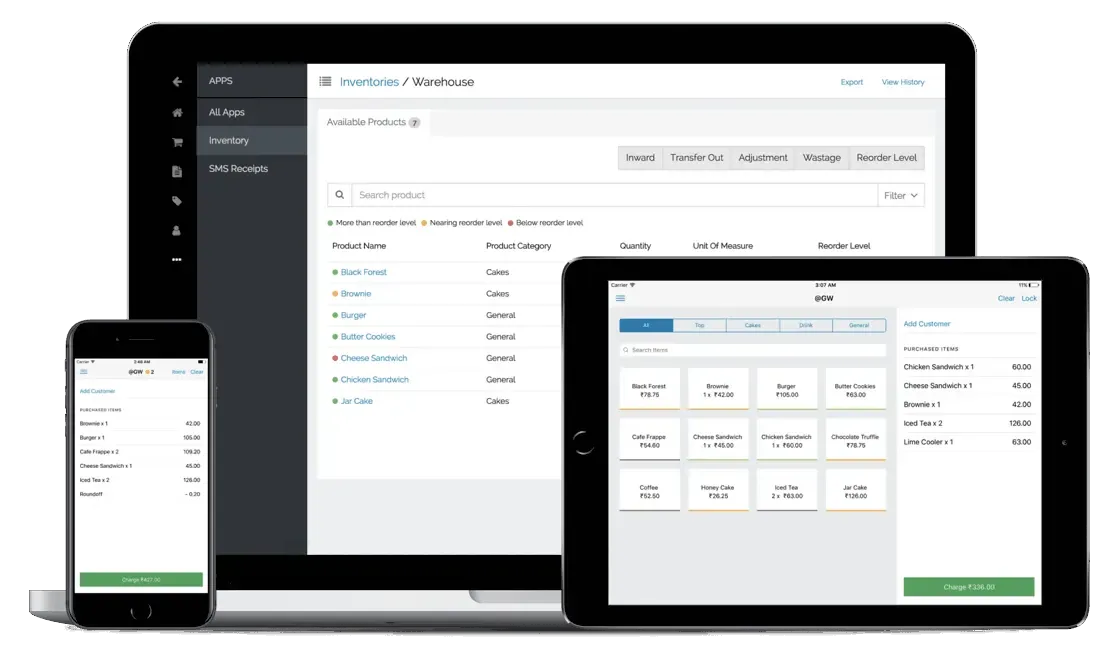
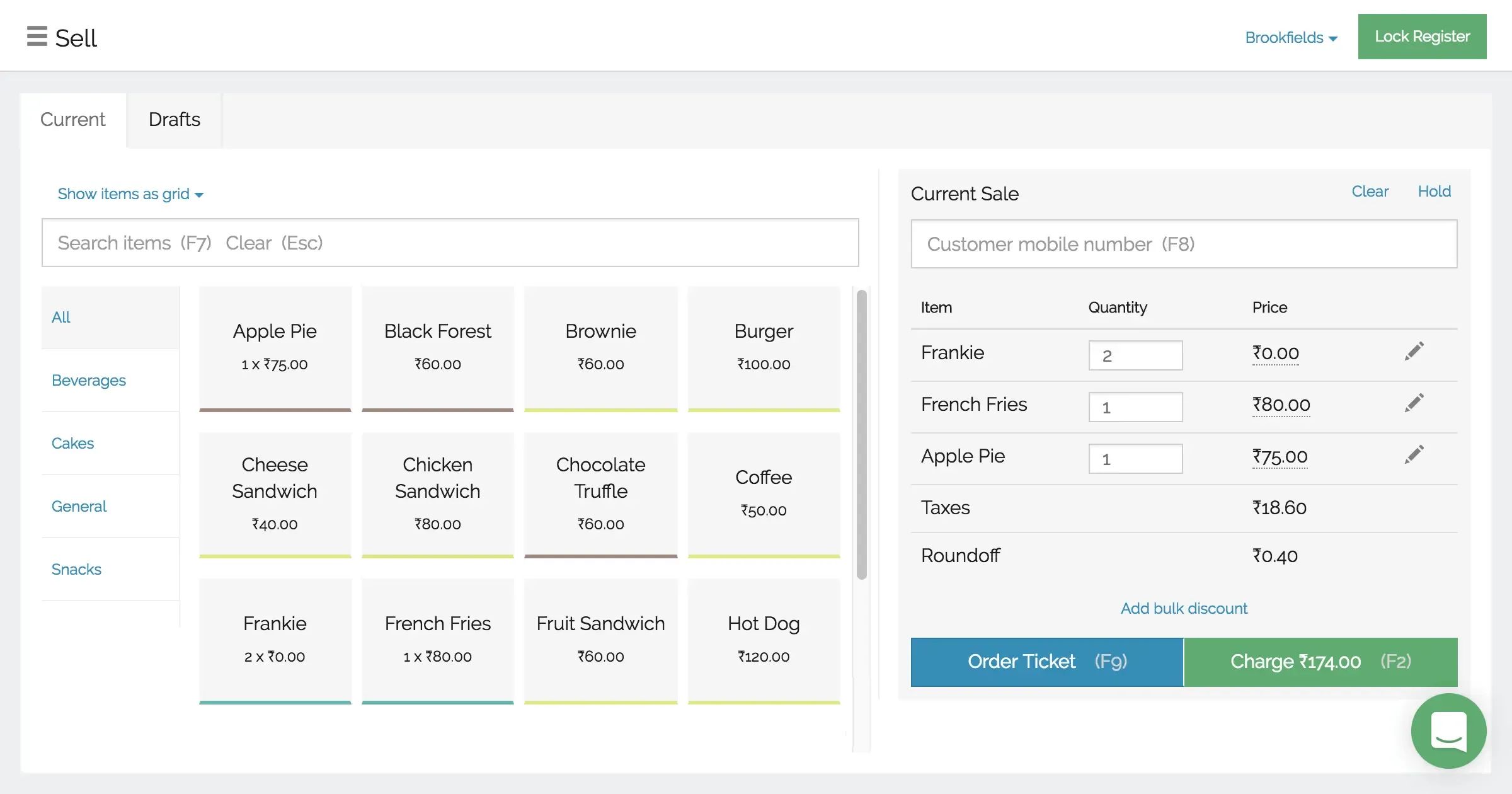
Multi-Brand Command Center: We integrated with industry-standard POS solutions (like SlickPOS) to allow staff to manage orders for Tafreeh, Paan Casa, and The Food Formula from a single screen.
Aggregator Bridge: The system consolidates orders from external platforms (Swiggy, Zomato) into a single flow, ensuring that inventory is decremented correctly regardless of the source.
- Digital Payments Orchestration
OneWalletHub Integration: We implemented a unified payment acceptance layer supporting Credit Cards, UPI, and BharatQR.
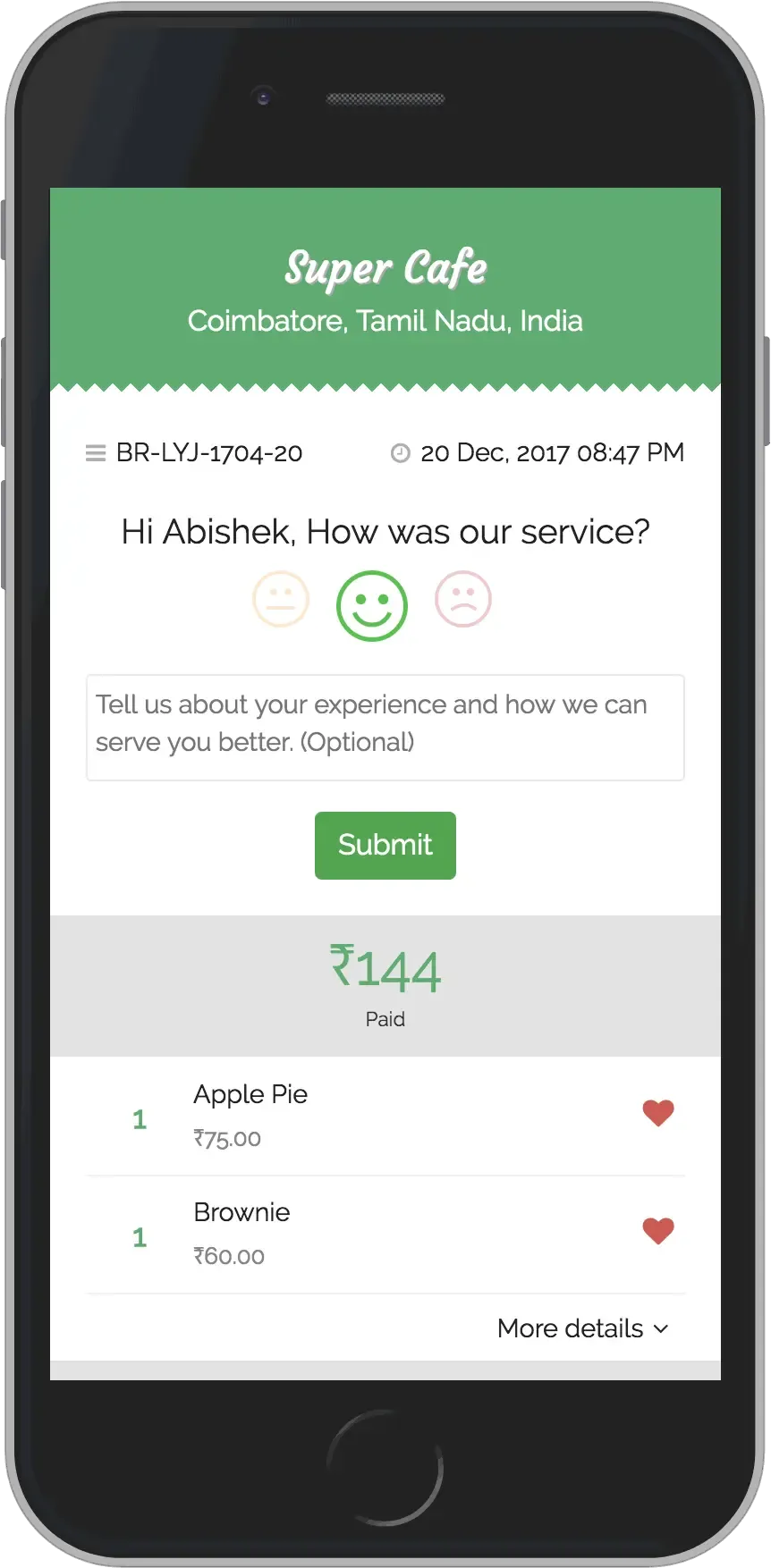
Contactless Payment Links: To support post-pandemic safety protocols, the system generates payment links sent via SMS/WhatsApp for contactless dining.
Technical Architecture & Strategic Rationale
We selected a stack designed for Financial Accuracy and Auditability.
| Component | Technology | Strategic Rationale |
|---|---|---|
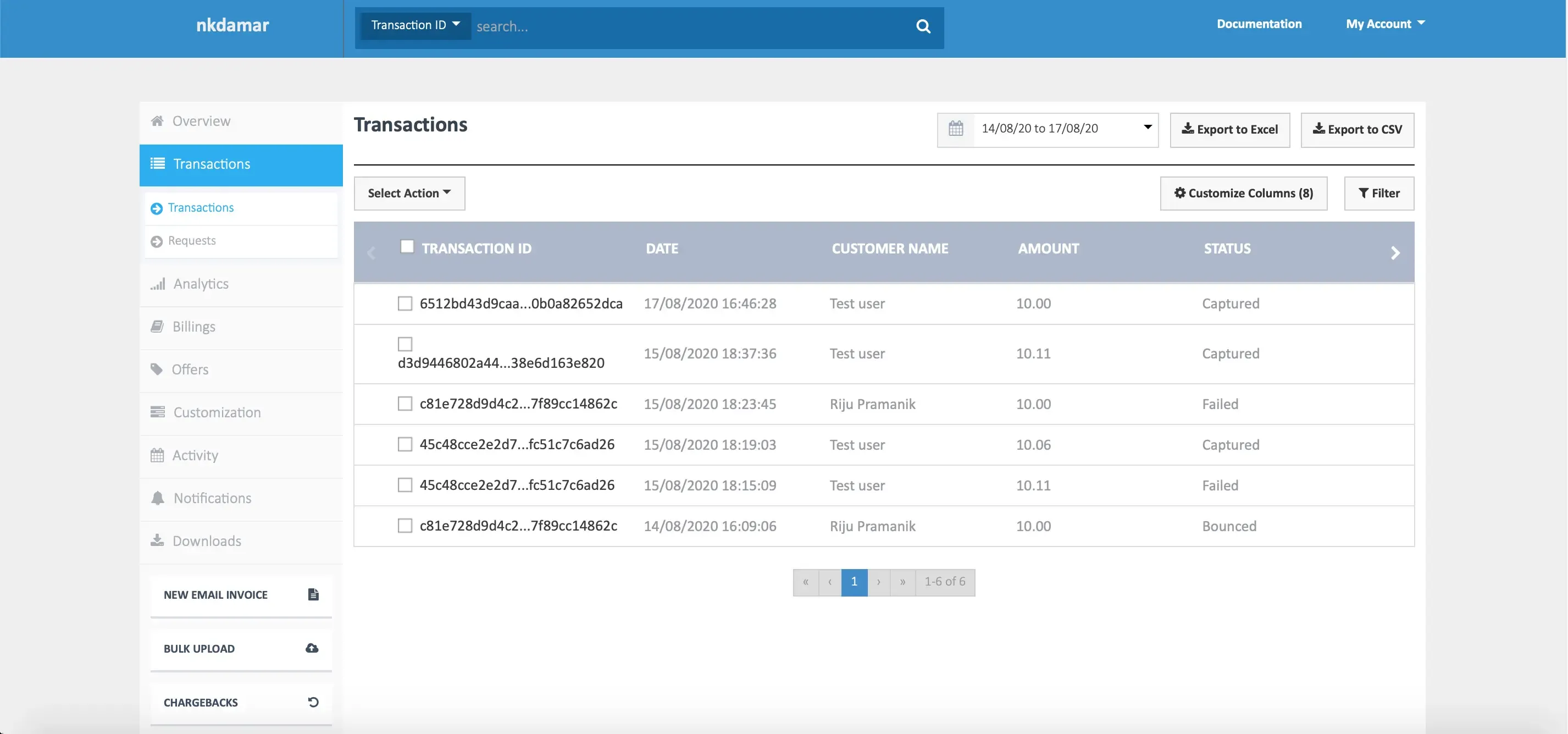
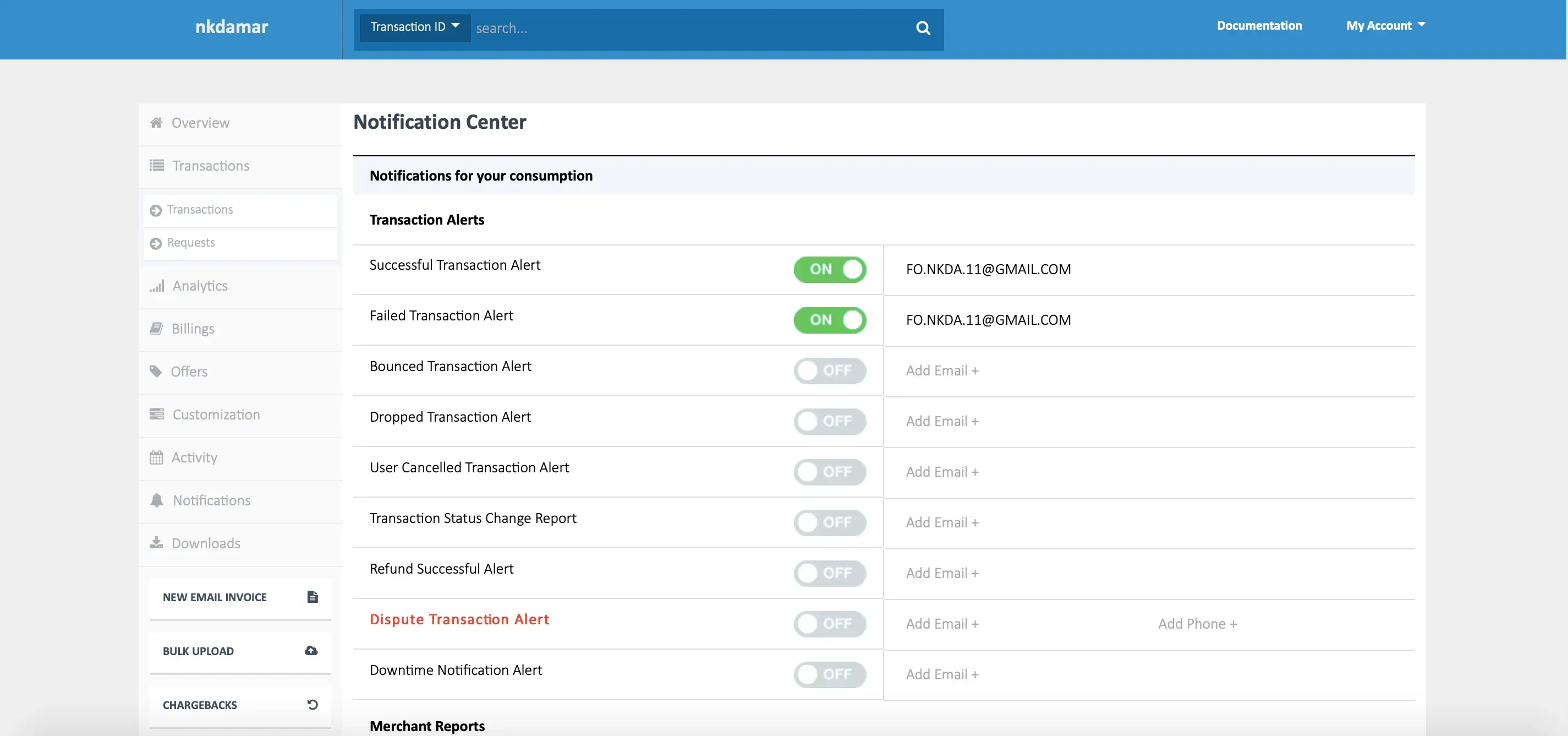
| Payment Gateway | OneWalletHub | Unified Settlement: Ensures all digital transactions settle into a single merchant account for easier downstream splitting. |
| Banking Layer | Corporate Net Banking API | Programmable Money: Allows the ERP to trigger actual bank transfers for vendor payouts, removing the need for manual file uploads. |
| POS Layer | SlickPOS / Custom Integration | API-First: Chosen for its ability to push/pull menu and sales data via API, allowing our Custom ERP to act as the “Master Record”. |
| Backend Logic | Custom ERP | Complex Math: Off-the-shelf software could not handle the specific “GST on MDR” and multi-party split logic required by the client. |
Core Focus
Multi-Tenant ERP, Automated Reconciliation, Payment Orchestration
The Strategic Challenge: The "Split Bill" Dilemma
The client operated an "umbrella" model where a single kitchen fulfilled orders for multiple distinct brands. This created unique financial complexities:
- Complex Revenue Logic: A single customer order could contain items from Brand A and Brand B. The system needed to split the revenue proportionately, deduct the "Host Kitchen" fee, and calculate taxes (GST) for each entity individually.
- Reconciliation Hell: Managing payouts manually for vendor settlements while factoring in Payment Gateway charges (MDR) and platform commissions (Zomato/Swiggy) was unscalable .
- Operational Fragmentation: The client needed a unified dashboard to track sales, inventory, and menu pricing across all brands simultaneously.
The Impact: Economic Viability
Renderbit’s solution validated the shared-economy model for Tastes of India:
- Financial Trust: On-boarded brands received their payouts on time with transparent automated reports, building trust in the platform.
- Scalability: The "Host Kitchen" could add new brands (like Suman's Food) in minutes without adding administrative overhead.
- Audit Readiness: Every rupee—from customer payment to vendor settlement—was tracked digitally, simplifying tax compliance.


Ready to scale your FoodTech operations?
Renderbit builds the financial infrastructure that powers modern hospitality models.
Contact Us to discuss your kitchen automation strategy..
Related Posts
See Our Work in Action.
Start Your Creative Journey with Us!

Renderbit Helper
Welcome!
How can I help you today?