Journal Management Ecosystem - Academic Research
Building the Digital Backbone of Academic Research: A Custom Journal Management Ecosystem for UEM Jaipur
Executive Summary
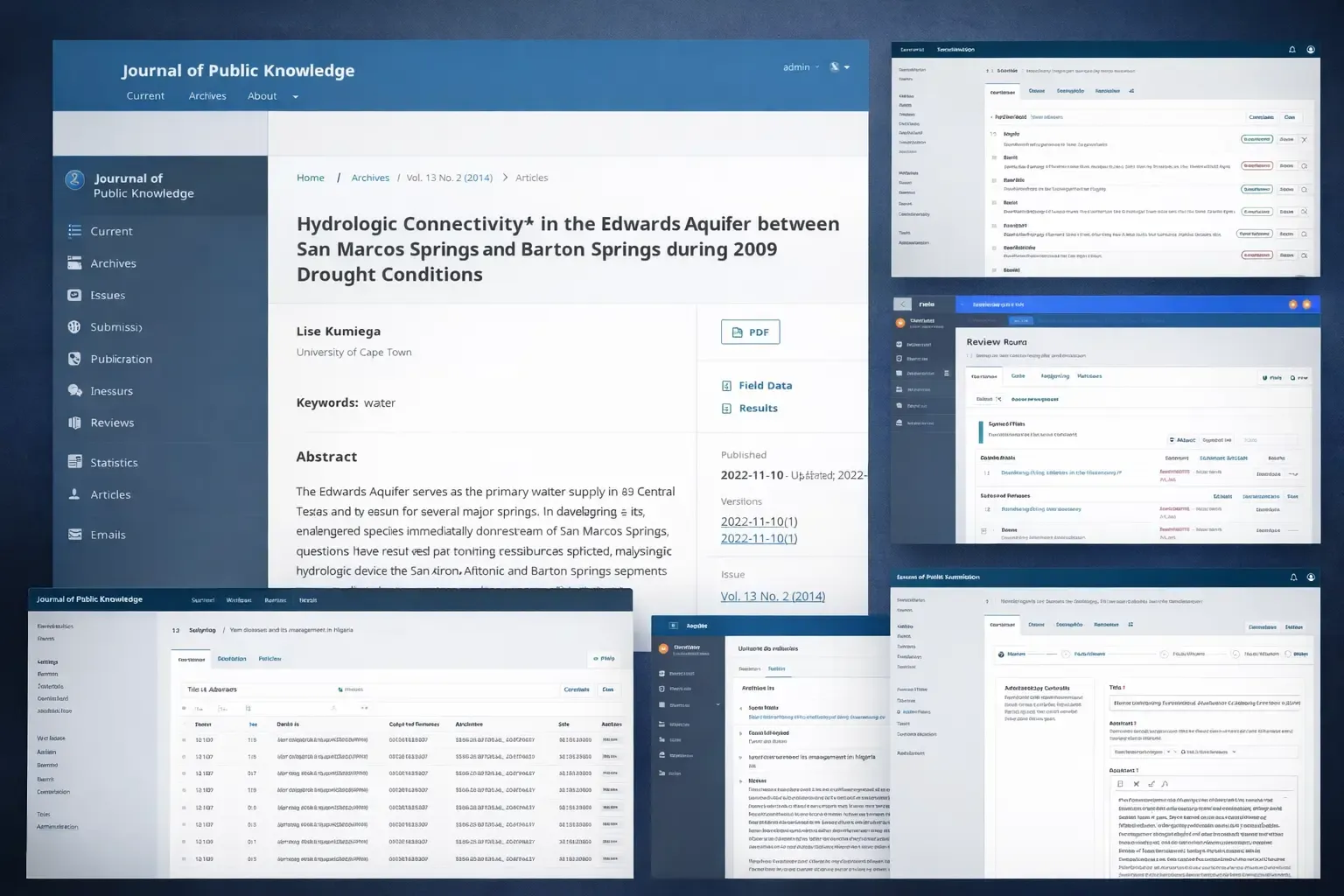
For a research university, a journal is not just a website—it is a repository of intellectual property. The University of Engineering & Management (UEM), Jaipur, needed to elevate their flagship journal, AIMBIG Strategic Review, from a static collection of PDFs to a globally indexed, professional platform.
Renderbit architected a Journal Management System (JMS) that ensures every published article meets international standards for discoverability. We moved the client from manual archiving to an automated ecosystem that integrates directly with Crossref and Google Scholar.
The Solution: A “Scholar-First” Publishing Engine
We built a standalone platform focused on Compliance and Discoverability.
- Automated DOI Integration (Crossref)
We removed the manual administrative burden of registering articles.
Direct API Link: The system connects directly to the Crossref API.
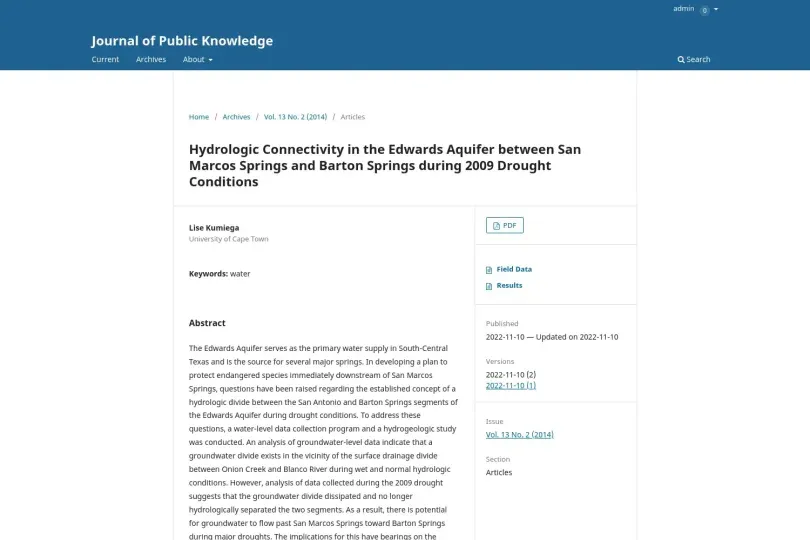
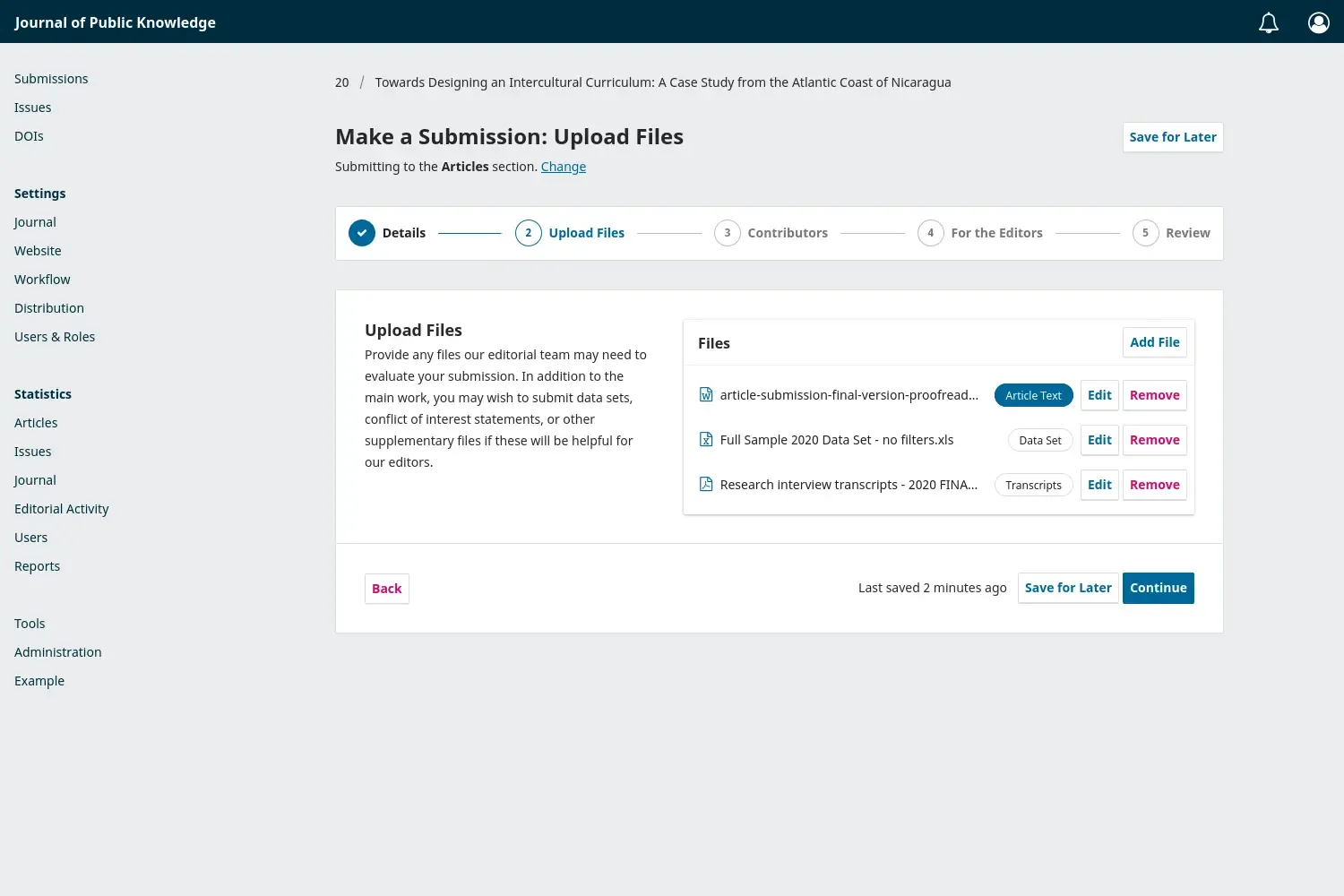
One-Click Registration: When an editor clicks “Publish,” the system automatically generates the XML payload, sends it to Crossref, registers the DOI, and stamps it onto the article landing page permanently.
- Academic SEO & Indexing Architecture
Standard SEO isn’t enough for research. We implemented Academic SEO.
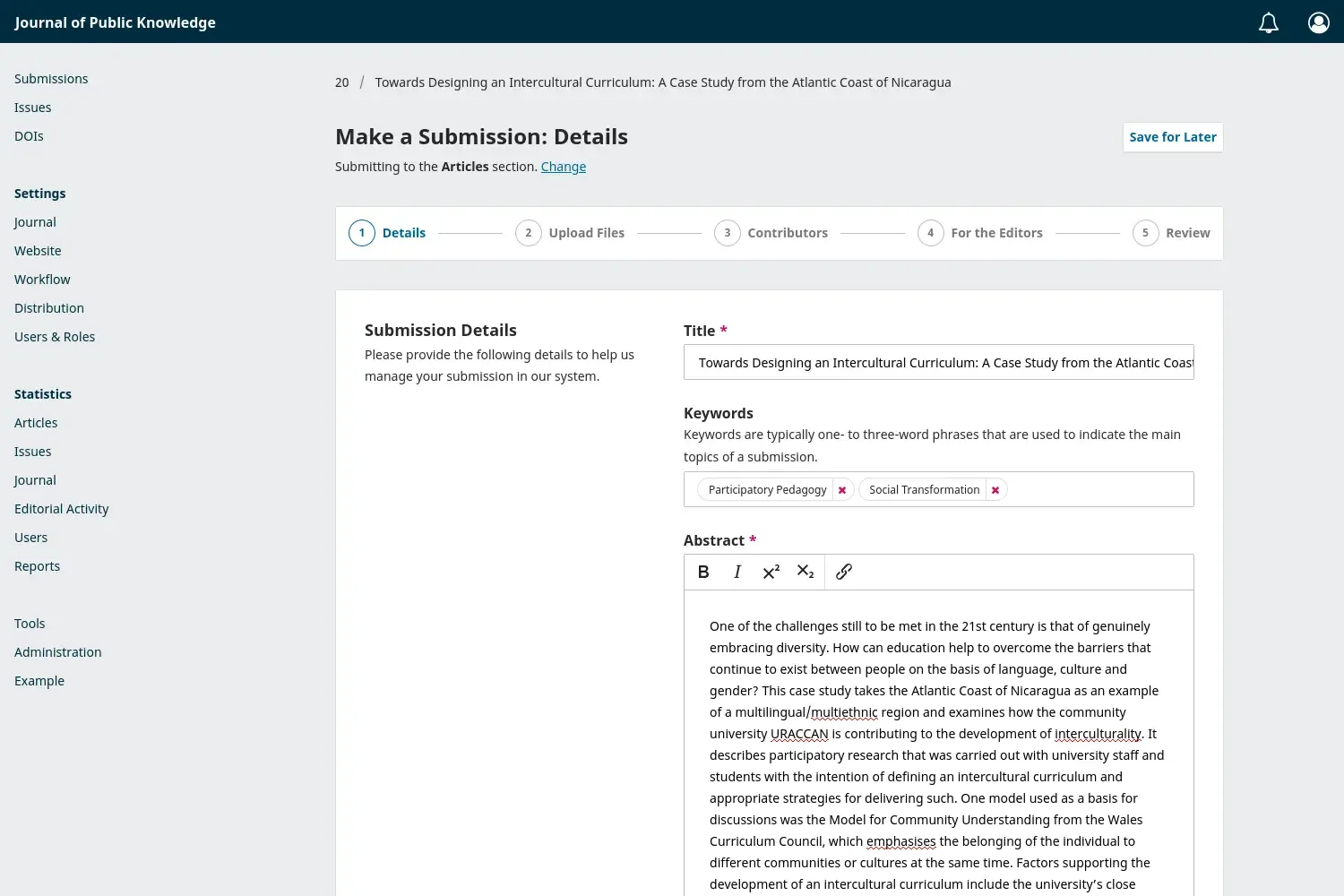
Metadata Injection: The system automatically generates machine-readable metadata in the page header (e.g., <meta name=“citation_author” content=”…”>).
Scopus/EBSCO Readiness: The backend exports data in specific XML schemas (JATS/Dublin Core) required for future ingestion by major indexing bodies like Scopus and EBSCO.
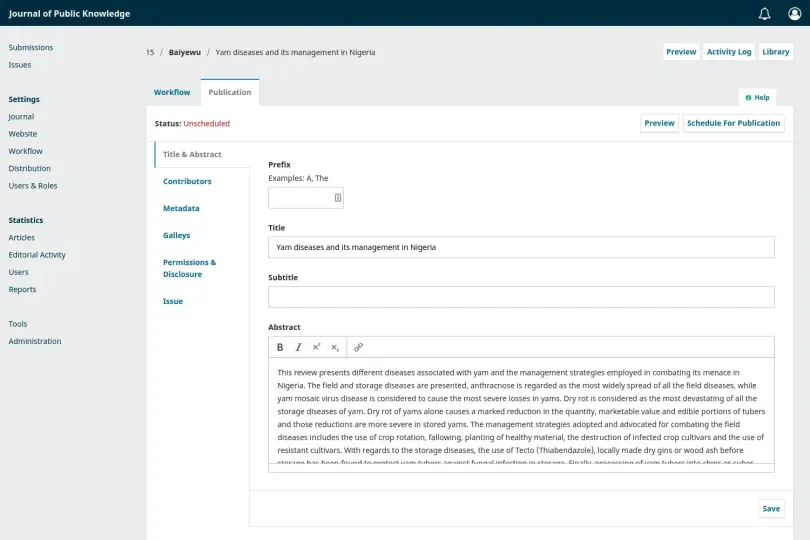
- Structured Publication WorkflowWe established a strict digital chain of custody for content.
Hierarchy Management: A relational database structure that rigidly organizes data into
Journal > Volume > Issue > Article.
Version Control: The system tracks metadata changes post-publication, ensuring that DOI records are updated if an author’s affiliation changes.
Technical Architecture & Strategic Rationale
To ensure the system remains stable for decades (a requirement for academic archives), we chose a stack known for longevity and data integrity.
| Component | Technology | Strategic Rationale |
|---|---|---|
| Core Framework | Laravel (PHP) | Chosen for its robust Object-Relational Mapping (ORM), essential for managing the complex relationships between Authors, Issues, and Articles. |
| Database | MySQL | Strict relational integrity ensures no article is ever “orphaned” without an issue or author. |
| DOI Infrastructure | Crossref REST API | Real-time integration eliminates the need for manual XML uploads to the Crossref portal. |
| Storage | AWS S3 | Secure, scalable storage for PDF files, ensuring fast global access for international researchers. |
| Search | Full-Text Logic | Custom search algorithms allow filtering by “Volume,” “Year,” or “Author Affiliation.” |
Core Focus
Digital Object Identifiers (DOI), Academic SEO, Publication Workflow Automation
The Strategic Challenge
The client faced a "Visibility Gap." While the research quality was high, the digital infrastructure was lagging.
- The Indexing Hurdle: Without proper metadata tags (Dublin Core) and stable DOIs, excellent papers were invisible to crawlers like Google Scholar and Scopus.
- Manual DOI Management: Assigning Digital Object Identifiers (DOIs) manually is error-prone and labor-intensive.
- Fragmented Archive: Past issues were difficult to browse, lacking a structured hierarchy of Volumes and Issues.
The Impact: From PDF to Platform
Renderbit’s JMS transformed AIMBIG Strategic Review into a professional digital entity.
- Instant Credibility: Every article now possesses a permanent digital footprint (DOI), a prerequisite for citation tracking.
- Discoverability: Articles are now properly crawled by Google Scholar thanks to correct meta-tagging.
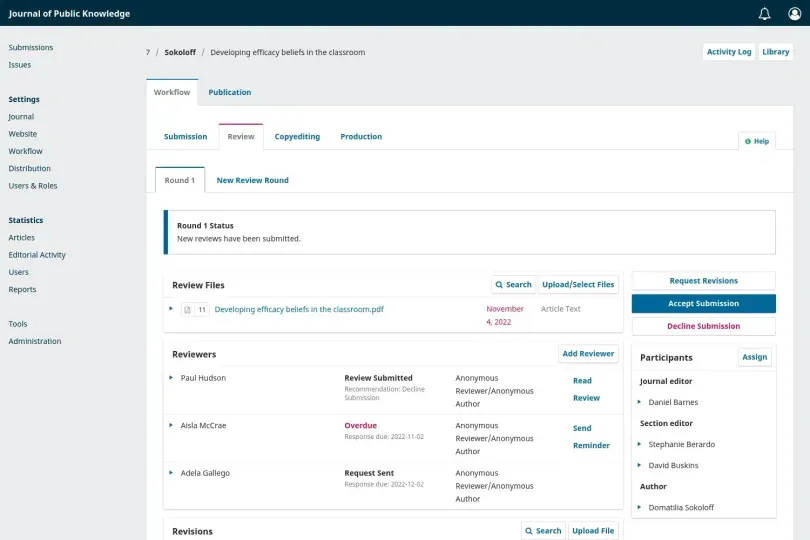
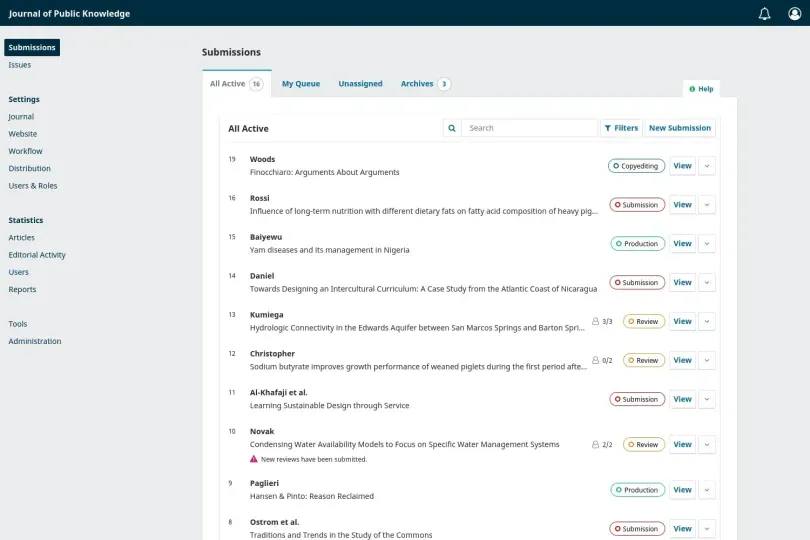
- Operational Efficiency: The editorial team manages the entire publication lifecycle—from uploading PDFs to registering DOIs—from a single dashboard, reducing administrative time by 60%.


Need to Professionalize Your Publications?
Why This Matters
In academia, "if it isn't indexed, it doesn't exist." Renderbit provided the infrastructure to ensure UEM's research exists on the global stage.
Contact Us to build digital infrastructure that meets global standards.
Related Posts



See Our Work in Action.
Start Your Creative Journey with Us!

Renderbit Helper
Welcome!
How can I help you today?