Oomph Cars: Peer-to-Peer Car Rental Marketplace
Democratizing Mobility: A Peer-to-Peer Car Rental Marketplace with Algorithmic Pricing
Executive Summary
The “Airbnb for Cars” model is reshaping urban mobility. Oomph Cars envisioned a peer-to-peer (P2P) marketplace where car owners could monetize their idle assets and renters could access vehicles on demand. However, unlike renting a room, renting a car involves complex variables: fuel levels, distance limits, traffic violations, and insurance risks.
Renderbit Technologies engineered a Dual-Mode Mobility Platform that supports both Self-Drive and Chauffeur-Driven workflows. We moved beyond simple booking to build a Financial Operating System that automatically calculates overage charges, fuel reimbursements, and split-commission payouts, removing the manual accounting burden from the equation.
The Solution: A Trust-Based Transaction Engine
We architected a solution that manages the asset, the human, and the money simultaneously.
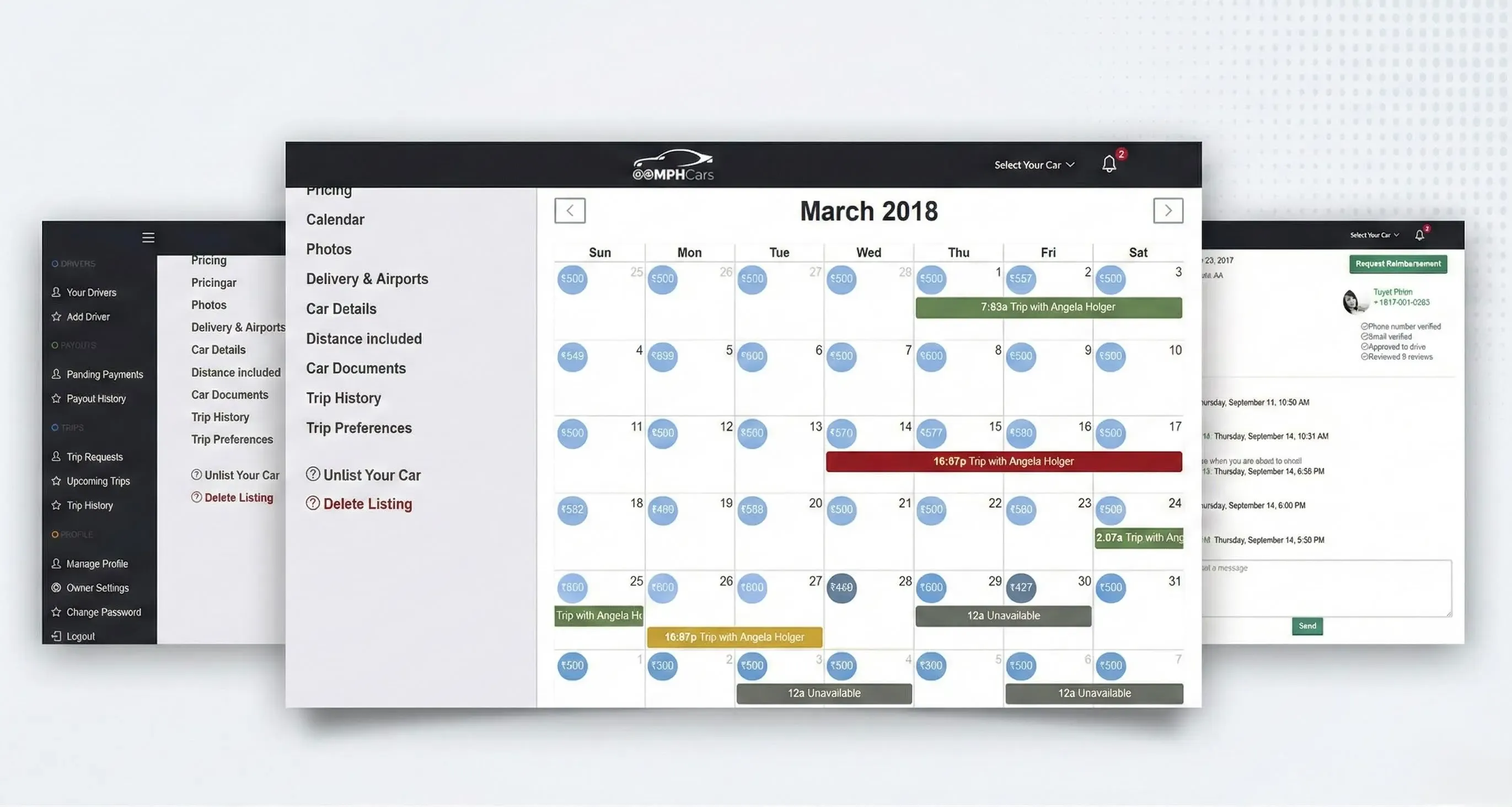
The Dynamic Pricing Engine We built a logic core capable of handling “Slab-Based” economics.
Smart Billing: The system calculates total cost based on base price, distance slabs, and delivery fees. If a user exceeds the “30km included,” the engine automatically adds the specific “Extra Km” rate defined for that vehicle category.
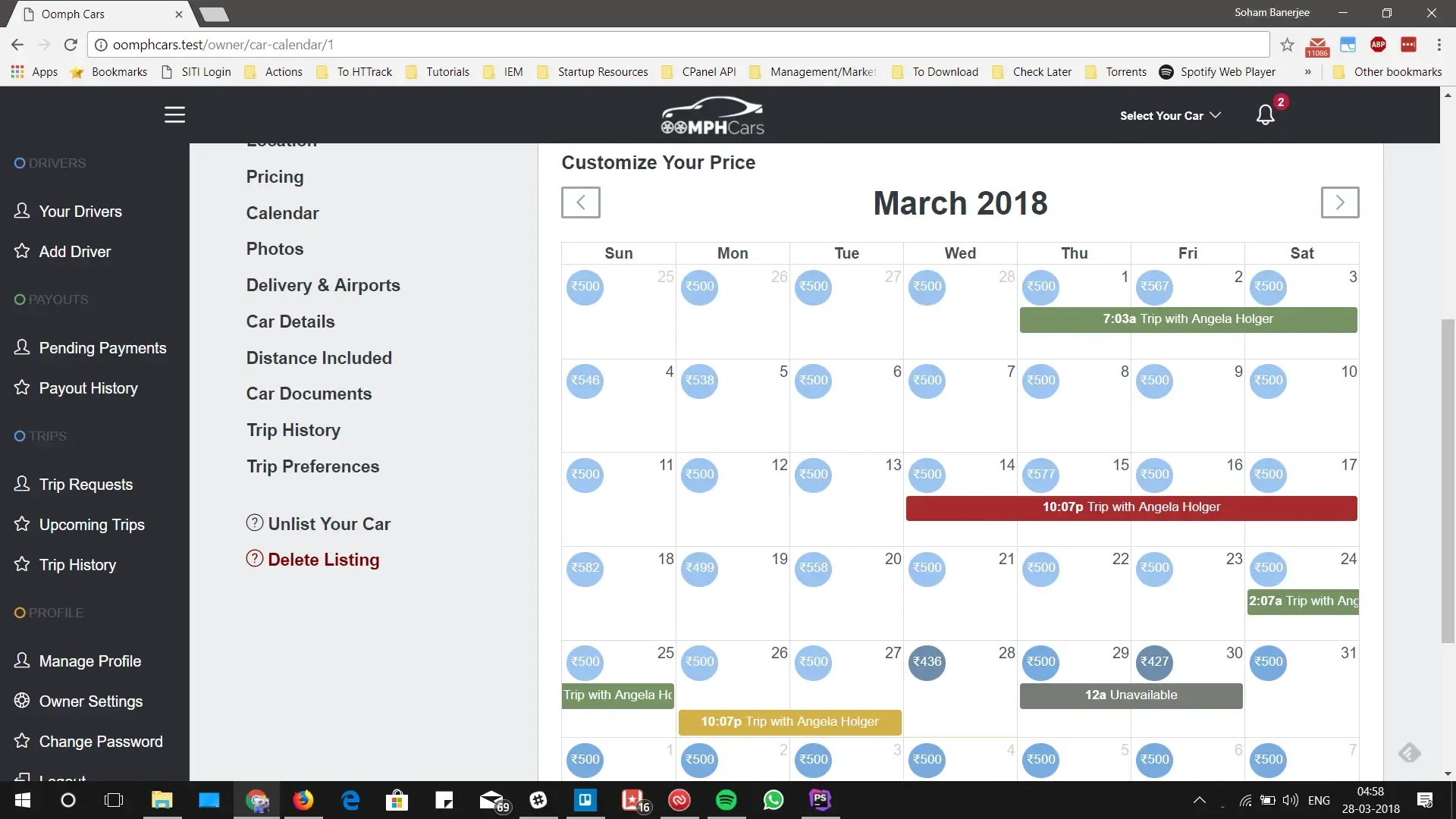
Reimbursement Workflow: Post-trip, the system handles “Incidentals.” If a driver pays for fuel or tolls, they submit a claim. The system validates this against the trip logs and processes the charge against the renter’s deposit within 48 hours.
- The “Dual-Mode” Inventory System
Self-Drive: Users unlock the car and drive. Logic focuses on “Security Deposits” and “License Verification”.
Chauffeur-Driven: Owners can assign a “Default Driver” to a car. The system manages the driver’s schedule and verification status, ensuring a seamless pickup experience.
Unlike standard rental apps, Oomph supports two distinct supply chains:
- The Trust & Safety Layer
Digital Garage: Owners upload 8+ verified documents (Insurance, Pollution Cert, Tourist Permit). The system creates a “Pending Approval” queue for Admins to vet assets before they appear in search.
Trip Handshake: To prevent disputes, the app enforces a digital “Handover Protocol.” Both Owner and Renter must upload photos of the Odometer and Fuel Gauge at the start and end of the trip to validate usage.
Technical Architecture & Strategic Rationale
We selected a stack designed for Transactional Integrity and Auditability.
| Component | Technology | Strategic Rationale |
|---|---|---|
| Backend Logic | Custom Pricing Engine | Algorithmic Billing: Off-the-shelf e-commerce tools cannot handle the formula: (Base Rate * Time) + ((Actual Dist - Included Dist) * Overage Rate). |
| Database | Relational DB (MySQL) | Data Integrity: Essential for locking “Inventory Slots” in the calendar to prevent double-bookings across instant and manual approval flows. |
| State Machine | Trip Status Logic | Workflow Control: Manages complex states like Pending → Approved → Ongoing → Reimbursement Requested → Settled. |
| Financial Ops | Automated Splits | Commission Management: Automatically routes the “Platform Fee” to Oomph and the “Net Earnings” to the Owner’s bank account in a single transaction event. |
Core Focus
Shared Economy Logic, Financial Reconciliation, Dynamic Pricing Engines
The Strategic Challenge: The 'Variable Cost' Nightmare
- The "Overage" Logic: A trip isn't just "Time." It’s "Time + Distance." The system had to track "Included Km" per hour and automatically bill for excess mileage at variable rates based on the car category.
- Trust & Liability: Handing over a high-value asset requires rigorous verification. The platform needed to validate Driving Licenses, RC Books, and Insurance papers before a listing could go live.
- Complex Settlements: Payouts weren't simple. The system had to deduct commissions (which varied for "Featured" vs. "Standard" listings), corporate discounts, and security deposits before remitting the net amount to the owner.
The Impact: Frictionless Fleet Management
Renderbit’s solution turned idle cars into revenue streams:
- Automated Reconciliation: Eliminated 100% of manual math for "Extra Km" billing, reducing administrative overhead.
- Asset Security: The mandatory "Odometer Snap" feature reduced damage/usage disputes by providing irrefutable digital evidence.
- Flexible Inventory: Owners could switch a car from "Self-Drive" to "Chauffeur" mode instantly based on driver availability, maximizing asset utilization.


Ready to launch a shared economy platform?
Renderbit builds the complex logic that powers modern marketplaces.
Contact Us to discuss your platform strategy.
Related Posts




See Our Work in Action.
Start Your Creative Journey with Us!

Renderbit Helper
Welcome!
How can I help you today?